ADVERTISEMENT
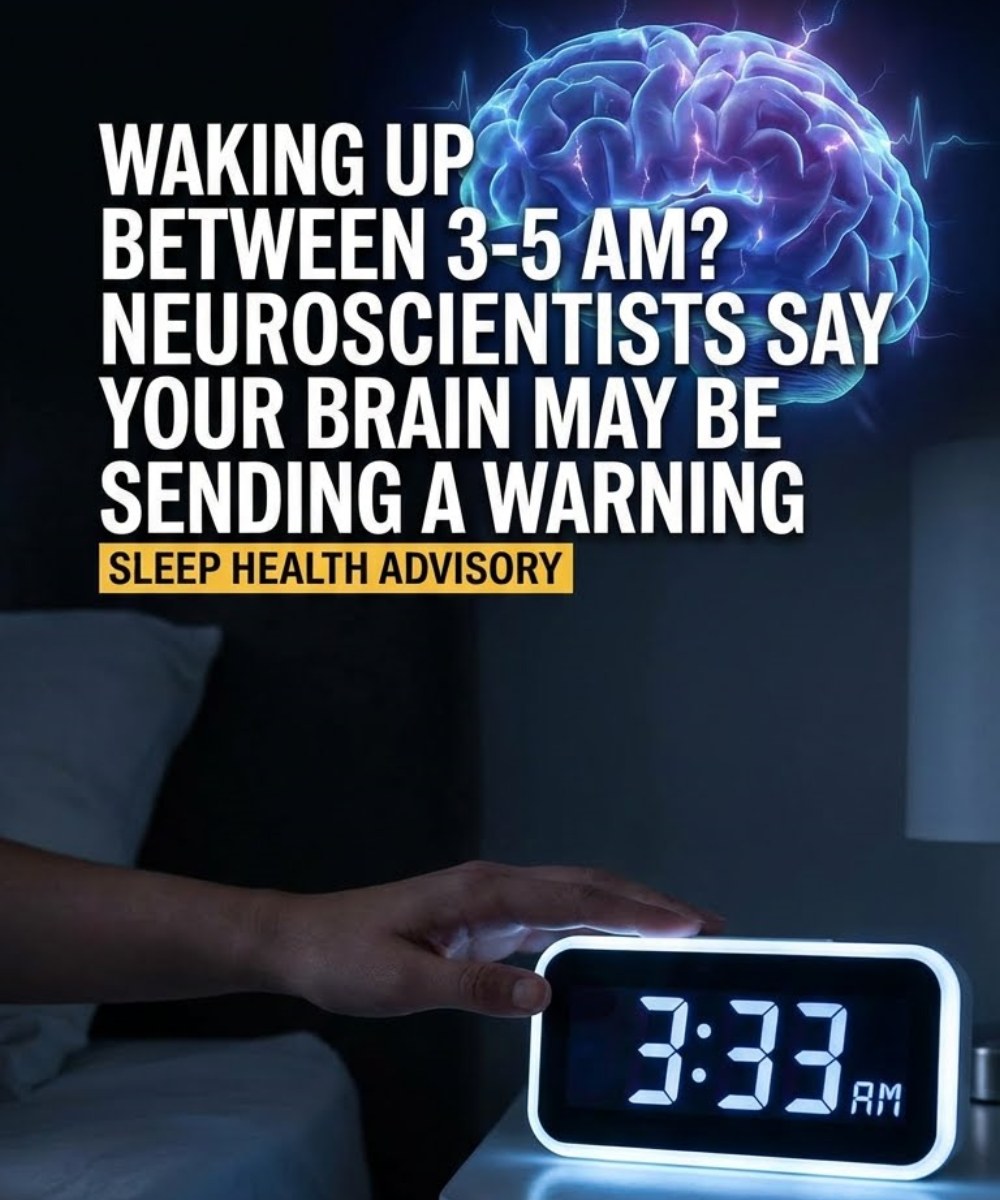
If you’ve ever found yourself wide awake at 3:47 AM, staring at the ceiling while your mind replays every awkward thing you’ve ever said in a meeting—you’re definitely not the only one. There’s no sudden noise, no alarm, just you, your racing thoughts, and the soft glow of the clock. It might seem random or simply annoying, but these early morning wake-ups often have a deeper cause. And no, it’s not just because of that late afternoon coffee.
So, What’s Actually Happening Around 3 AM?
Your body runs on a built-in 24-hour cycle that regulates everything from when you feel sleepy or alert to your temperature and hormone production. This system is your circadian rhythm.
Between 2 and 3 AM, your cortisol—the primary stress hormone—starts to gradually increase. That’s completely normal; it’s your body’s way of preparing to wake up smoothly a few hours later.
But if you’re already dealing with high levels of stress, your cortisol might not just rise—it might spike. Instead of easing you into the day around 6 or 7 AM, it jolts you awake much earlier, often with a racing heart and a restless mind.
Think of cortisol like a dimmer switch meant to simulate sunrise. When everything’s balanced, it gently brings you to wakefulness. But if you’re overwhelmed or anxious, that switch gets slammed to full brightness at 3 AM—and suddenly, you’re wide awake in the dark.
Why Sleep Cycles Matter (More Than You Think)
REM sleep is also when your brain becomes more active, which is why those early morning hours (between 3 and 5 AM) are prime time for unexpected wakefulness. Your mind might be working through a backlog of emotions or unfinished thoughts from the day.
Your Chronotype Might Be the Culprit
Not everyone’s internal clock runs on the same schedule. Some people are wired to rise early and feel sharp in the morning (morning larks), while others don’t hit their stride until late at night (night owls). These tendencies are known as chronotypes, and they’re largely influenced by your genetics.
What Your 3 AM Wake-Ups Might Be Telling You
After months of tracking these wake-ups, many people notice a pattern. They tend to happen after particularly stressful days, nights spent scrolling on phones, or times when they’ve ignored the need to rest.
Science backs this up. Stress causes cortisol levels to rise, which can mess with your ability to fall and stay asleep. But it’s not just stress in the mix. These early-morning interruptions can also hint at:
The Sleep Catch-Up Myth
You might think you can fix things by sleeping in on weekends, but research shows that this strategy doesn’t always work. One study found that it can take four full days to recover from just one hour of sleep loss.
In short: consistency matters more than quantity. Your circadian rhythm craves regularity, like a cat that insists on being fed at the same time every day. Sleeping in late once a week won’t do much if your bedtime and wake-up times are all over the place.
