ADVERTISEMENT
They are not attracted to humidity, houseplants, or radiators. Warmth alone does not lure them in from outside. They remain where humans sleep and rest because that is where their food source is. If no humans are present, bedbugs cannot survive long-term.
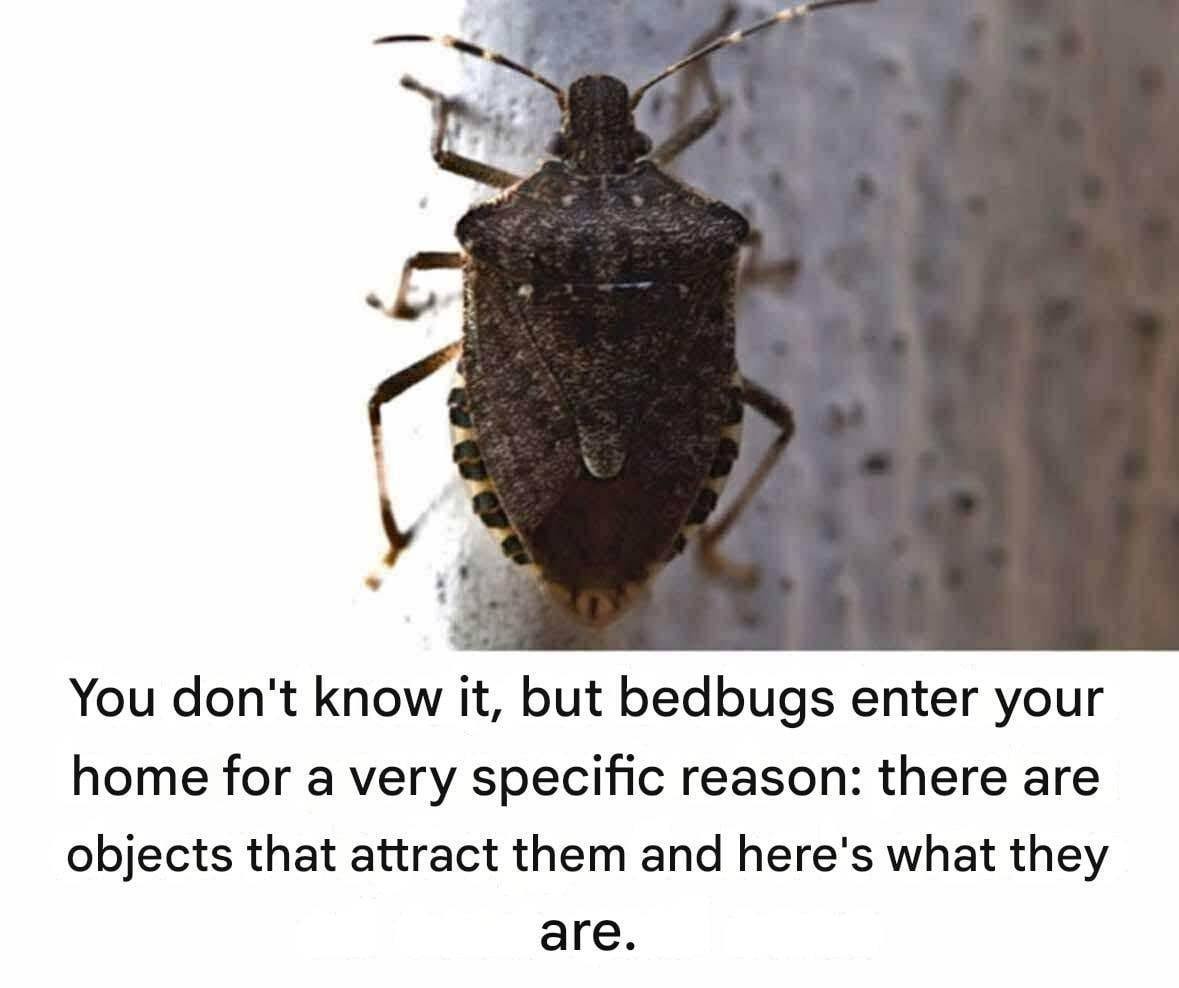
Green stink bugs do, however, enter homes seasonally, especially in the fall. As temperatures drop, they seek warmth and shelter. This is why people suddenly notice them indoors around windows, doors, and wall cracks. Their appearance can feel sudden and invasive, but it is driven by weather, not infestation.
They are attracted to warmth and light, which explains why they gather near radiators, lamps, and sunny windows. Unlike bedbugs, they do not hide in furniture or bite humans for sustenance. Their presence is annoying, not parasitic.
Mislabeling stink bugs as bedbugs escalates fear unnecessarily. Bedbugs carry a social stigma, are notoriously difficult to eliminate, and often require extensive cleaning, disposal of furniture, and professional extermination. Stink bugs do not. They do not reproduce indoors in the same way, and they do not infest beds or clothing.
Accurate identification changes everything. If you are seeing green insects, finding them near windows, or noticing them in the fall rather than year-round, you are not dealing with bedbugs. The solution is sealing entry points, reducing indoor light attraction, and using natural repellents.
Clear facts matter. Knowing what insect you are facing determines whether you need calm prevention or serious intervention. In this case, the difference is the gap between a seasonal nuisance and a true household parasite.
