ADVERTISEMENT
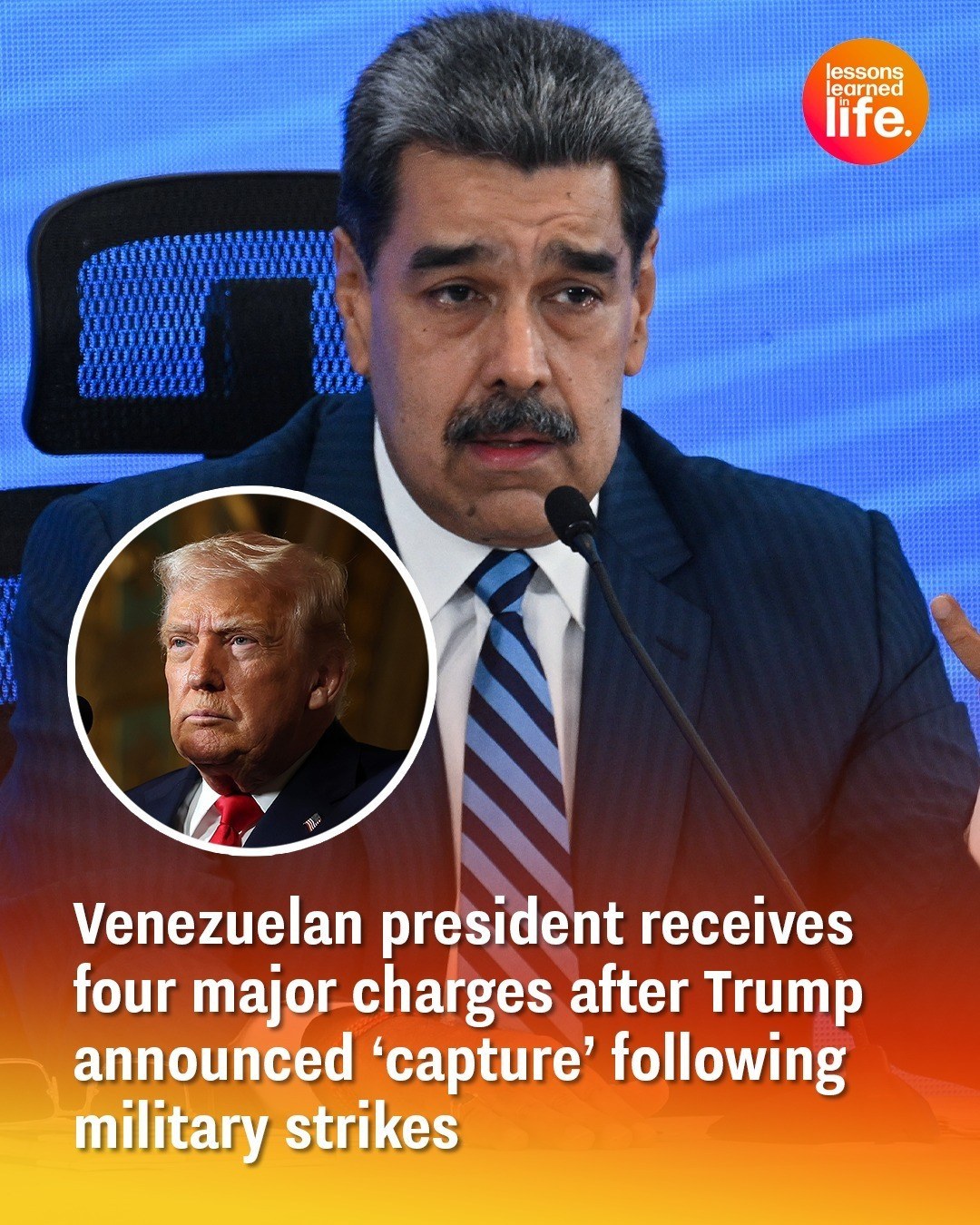
Following the overnight capture and indictment of Nicolás Maduro and Cilia Flores, attention shifted to the complex legal, diplomatic, and political implications of this unprecedented operation.
While the Southern District of New York now holds jurisdiction over Maduro’s criminal case, questions about international law, state sovereignty, and executive authority dominate discussions in Washington, Caracas, and capitals around the world.
Prosecutors are expected to call multiple witnesses and present substantial documentary evidence linking Maduro to decades-long trafficking operations, including communications with international cartels, financial transfers, and authorization of violent enforcement mechanisms.
Legal scholars have noted that this case is likely to be the most complex prosecution of a sitting head of state in U.S. history, raising unprecedented questions about jurisdiction and immunity.
This tension sets the stage for an extended legal battle that could test the limits of international criminal law and executive power.
Venezuelan Reaction and Internal Instability
In Caracas, Maduro’s absence triggered a wave of uncertainty and heightened security measures. Vice President Delcy Rodríguez demanded immediate proof that both Maduro and Flores were alive, emphasizing that the Venezuelan government had not consented to or sanctioned the operation.
These statements reflected the administration’s intent to project strength internally while seeking to rally public support amid a sudden leadership vacuum.
Observers noted that public opinion in Venezuela is likely to polarize further, with opposition groups cautiously optimistic about Maduro’s removal and supporters rallying in defiance of what they perceive as foreign interference.
Continue reading…
