ADVERTISEMENT
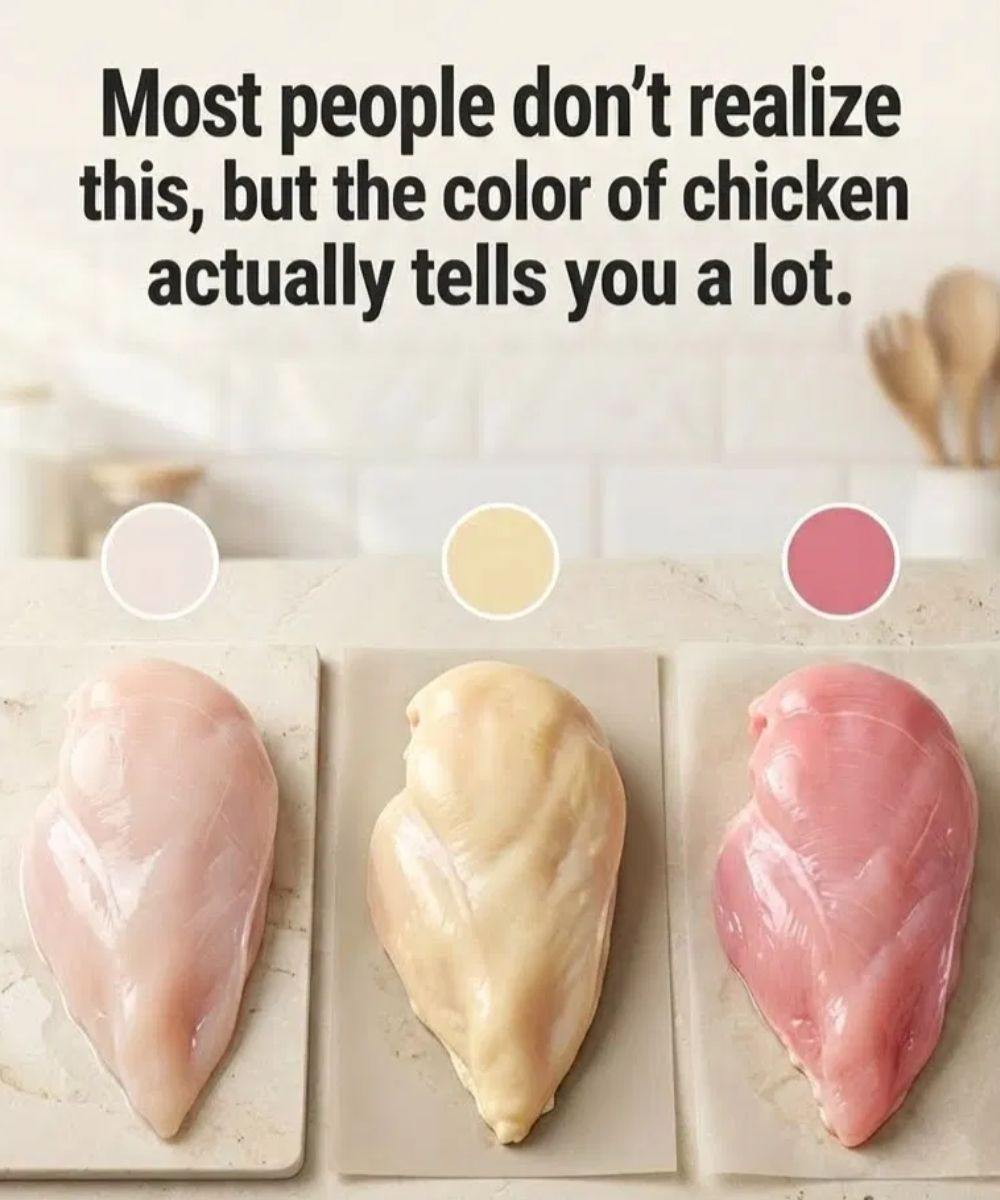
Still, color can be deceptive. Some producers enhance the yellow shade through specific feed choices simply because shoppers associate that color with higher quality. In these cases, the chicken may still be raised under intensive conditions, just packaged to look more “natural.” That’s why color alone can’t reliably tell you how the bird was raised or how the meat will taste.
What truly matters isn’t immediately visible.
Labels provide far more insight than appearance. Terms like pasture-raised, organic, free-range, or certified humane give clues about living conditions, diet, medication use, and animal welfare. These factors affect not only ethics, but also nutrition and flavor.
In the end, there’s no single “right” color of chicken. The best choice depends on your values, your budget, and the kind of meal you’re planning. Sometimes convenience matters most. Sometimes flavor does. Sometimes ethics guide the decision. None of those priorities are written in yellow or pale white.
The meat aisle is full of untold stories. Color is only the opening line. The rest is up to you to discover
