ADVERTISEMENT
1. The Oxalate Content: Kidney Stone Risk
-
Advice: If you have a history of stones, enjoy in moderation (≤1 oz/day) and ensure high calcium intake (calcium binds oxalates in the gut).
2. The Raw Cashew Myth & Toxicity
-
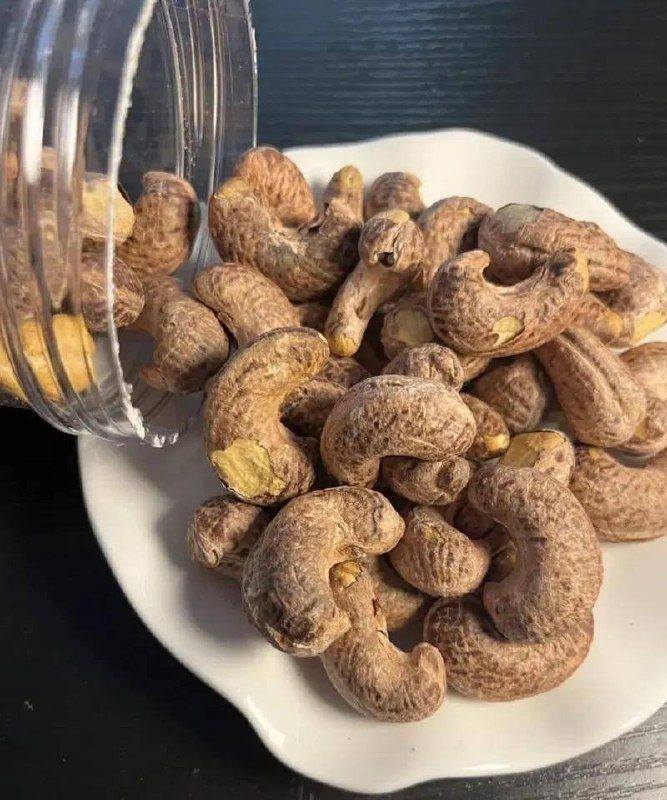
Critical Fact: « Raw » cashews sold in stores are not truly raw. They have been steamed to remove urushiol, the same toxic resin found in poison ivy.
-
Advice: Only purchase from reputable sources. Home-processing is dangerous.
3. The FODMAP Factor for IBS
-
Cashews contain galacto-oligosaccharides (GOS), a FODMAP carbohydrate that can trigger bloating, gas, and pain in those with Irritable Bowel Syndrome (IBS).
4. Calorie Density & Portion Distortion
-
The biggest practical risk is mindless overconsumption. Eating straight from a large bag can lead to a 400-500 calorie snack easily.
-
continued on next page
 How to Select & Store for Maximum Benefit
Type Best For Note Dry-Roasted, Unsalted Everyday health Avoid added oils; unsalted helps control sodium. Raw (Steamed), Unsalted Cooking, butter making The least processed option available. Avoid: Honey-Roasted, Sriracha, etc. — Loaded with sugar, unhealthy oils, and sodium.  How to Incorporate Them Wisely: A Serving Guide
-
Single Serving: 1 ounce (≈18-20 nuts) or 2 tablespoons of cashew butter.
-
Smart Pairings:
-
In oatmeal or yogurt for creaminess and protein.
-
As a salad topper for crunch.
The Bottom Line
Cashews are a nutrient-dense, health-promoting food for most people when consumed in mindful portions. Their unique combination of healthy fats, plant protein, and minerals supports heart, metabolic, and bone health.
-
