ADVERTISEMENT
ADVERTISEMENT
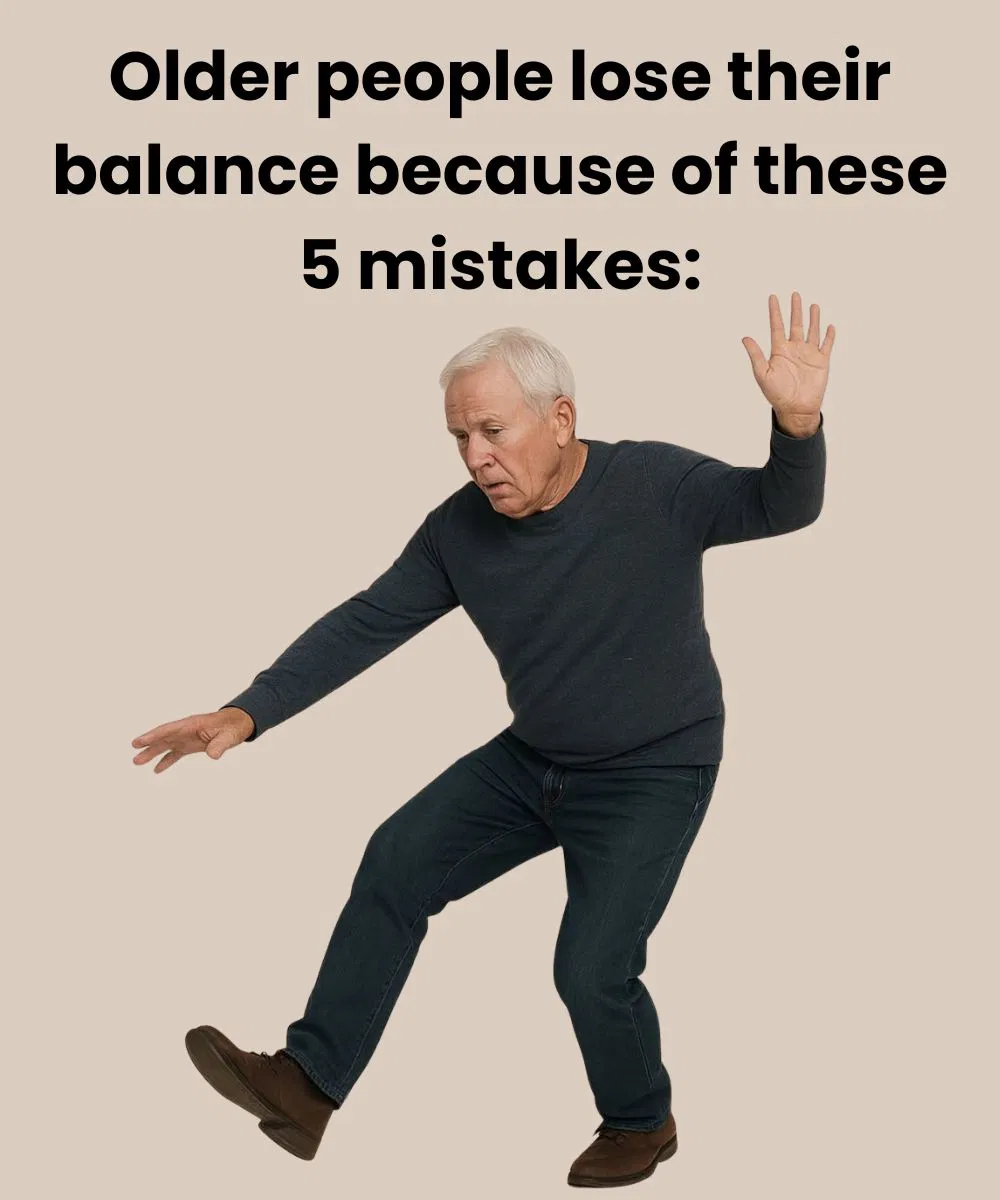
The solution doesn’t require intense exercise. Simple activities like walking for 20–30 minutes a day, gentle stretching in the morning and evening, or low-impact practices such as yoga or tai chi can greatly improve coordination and confidence. Starting slowly and increasing activity little by little helps prevent strain and fatigue.
Choosing closed shoes with firm support, non-slip soles, and proper heel stability can significantly reduce risk. Whether indoors or outdoors, prioritizing safety doesn’t mean sacrificing comfort or style. Feeling secure in your shoes directly supports safer movement.
When the body lacks proper nourishment or fluids, it often responds with tiredness, dizziness, or weakness. Over time, these symptoms can affect coordination and overall stability.
While home should feel safe, it can sometimes contain hidden dangers. Loose rugs, dim lighting, cluttered walkways, and poorly arranged furniture all increase the chance of losing balance.
