ADVERTISEMENT
ADVERTISEMENT
Myoglobin is a heme protein responsible for transporting oxygen in the muscle cells of animals. Structurally similar to hemoglobin in blood, myoglobin binds oxygen molecules and stores them in muscle tissue, aiding in muscle metabolism and endurance. This protein is also the key factor behind the redness seen in meat.
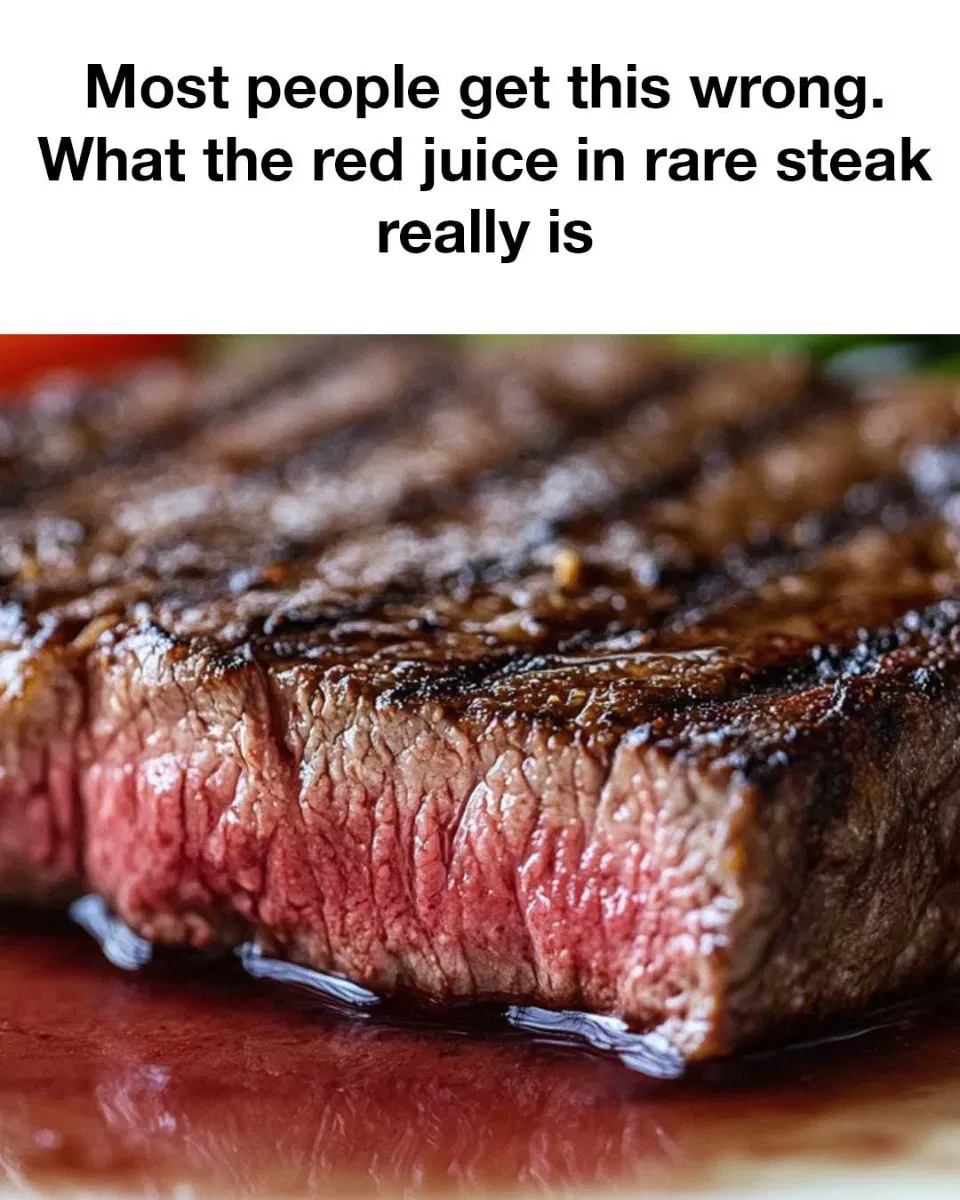
Contrary to popular belief, the red juice in a rare steak is not blood. Most of the blood is removed during the slaughter and processing of meat. The red liquid that pools in rare steak is actually a mixture of water and myoglobin, released from the muscle fibers during cooking. This fluid is completely safe and a natural part of the meat’s composition.
As steak cooks, myoglobin undergoes several transformations. In raw meat, myoglobin is in its natural state, appearing red. As the meat reaches medium levels of doneness, the myoglobin’s iron atoms oxidize, turning brownish, which is why well-done meat has a more browned appearance. Rare steak, being cooked to a lower temperature, retains its reddish myoglobin-rich juices.
