ADVERTISEMENT
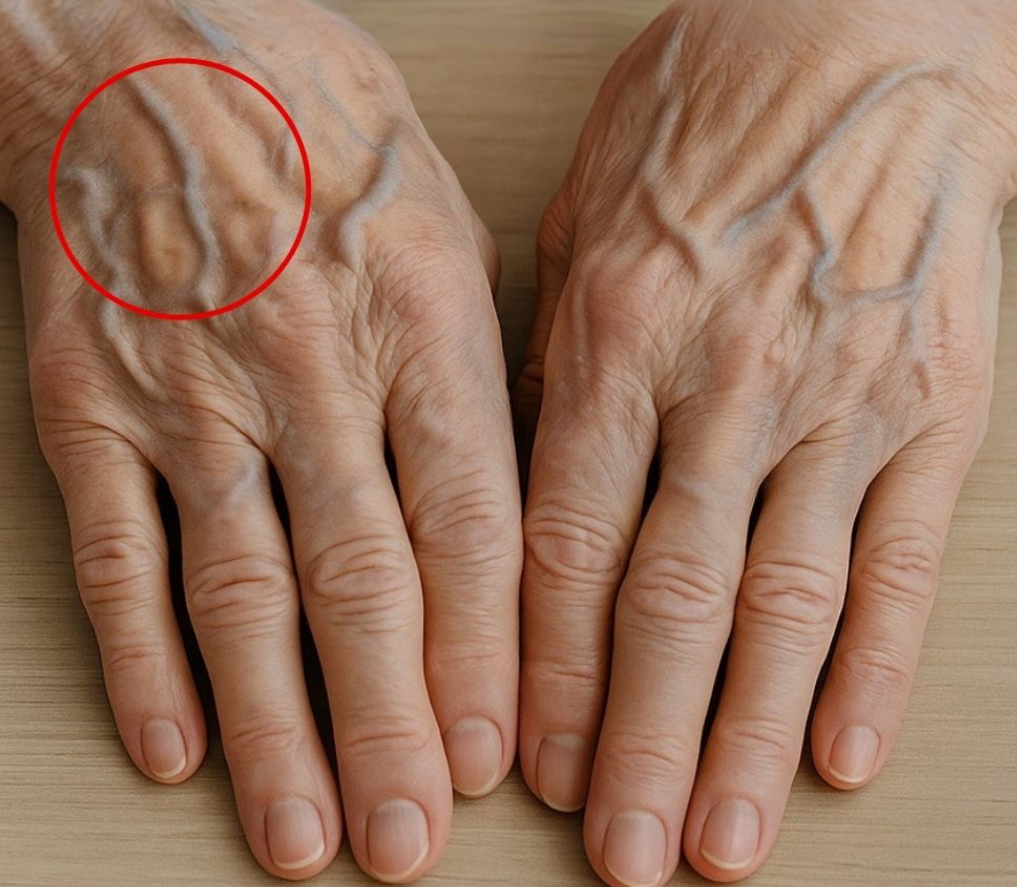
On top of that, the subcutaneous fat layer (the layer of fat under the skin) starts to thin out. This layer once acted like padding, helping to conceal veins beneath the surface. With less of it in place, veins become more apparent.
🩸 Reduced Elasticity in Vein Walls
Veins age too—just like every other part of the body.
Over time, vein walls and valves lose their elasticity. These valves are responsible for keeping blood flowing in the right direction—toward the heart. As they weaken:
-
Veins may stretch, swell, and twist, becoming more prominent.
This can sometimes lead to varicose veins—bulging, twisted veins that are often blue or purple. These are not just cosmetic concerns; they may cause discomfort, heaviness, or aching in the legs.
🕒 Slower Circulation with Age
Reduced physical activity, changes in blood pressure, and hormonal fluctuations can all contribute to slower circulation. When blood doesn’t flow as effectively, it may:
-
Cause veins to dilate or darken
Poor circulation can also slow the delivery of oxygen and nutrients to tissues, compounding other signs of aging like dull skin and cold extremities.
Continue reading…
