ADVERTISEMENT
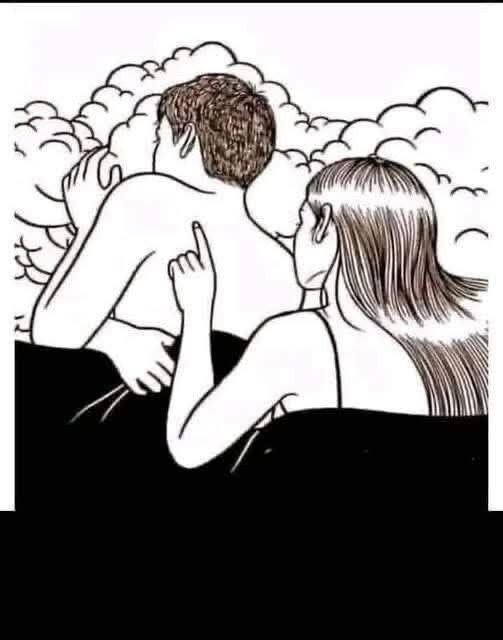
If your partner turns their back on you when you sleep, it doesn’t automatically signal a problem. In many cases, it simply reflects comfort preferences rather than emotional distance. People have different sleep needs, and something as simple as temperature, mattress space, or preferred posture can influence how they position themselves at night.
A sudden shift in sleeping habits after arguments or stressful periods might indicate a need for space—not necessarily rejection, but time to process thoughts and emotions. Interestingly, relationship experts often point out that this position can also represent a healthy balance.
Couples who sleep facing away while maintaining occasional physical contact—like touching backs or feet—often feel secure and independent at the same time. It shows that both partners are comfortable enough to relax individually without needing constant reassurance through physical closeness.
Rather than assuming the worst, it’s better to understand each other’s needs. In many cases, turning away during sleep is less about emotional distance and more about getting the rest needed to show up fully for each other the next day.
ADVERTISEMENT