ADVERTISEMENT
### **Pay Attention to the Color of Your Stove Flames: What You Need to Know**
Understanding the color of your stove flames can save you money, improve your cooking, and even keep you safe. In this article, we’ll explain what different flame colors mean and how you can ensure your stove is working properly.
—
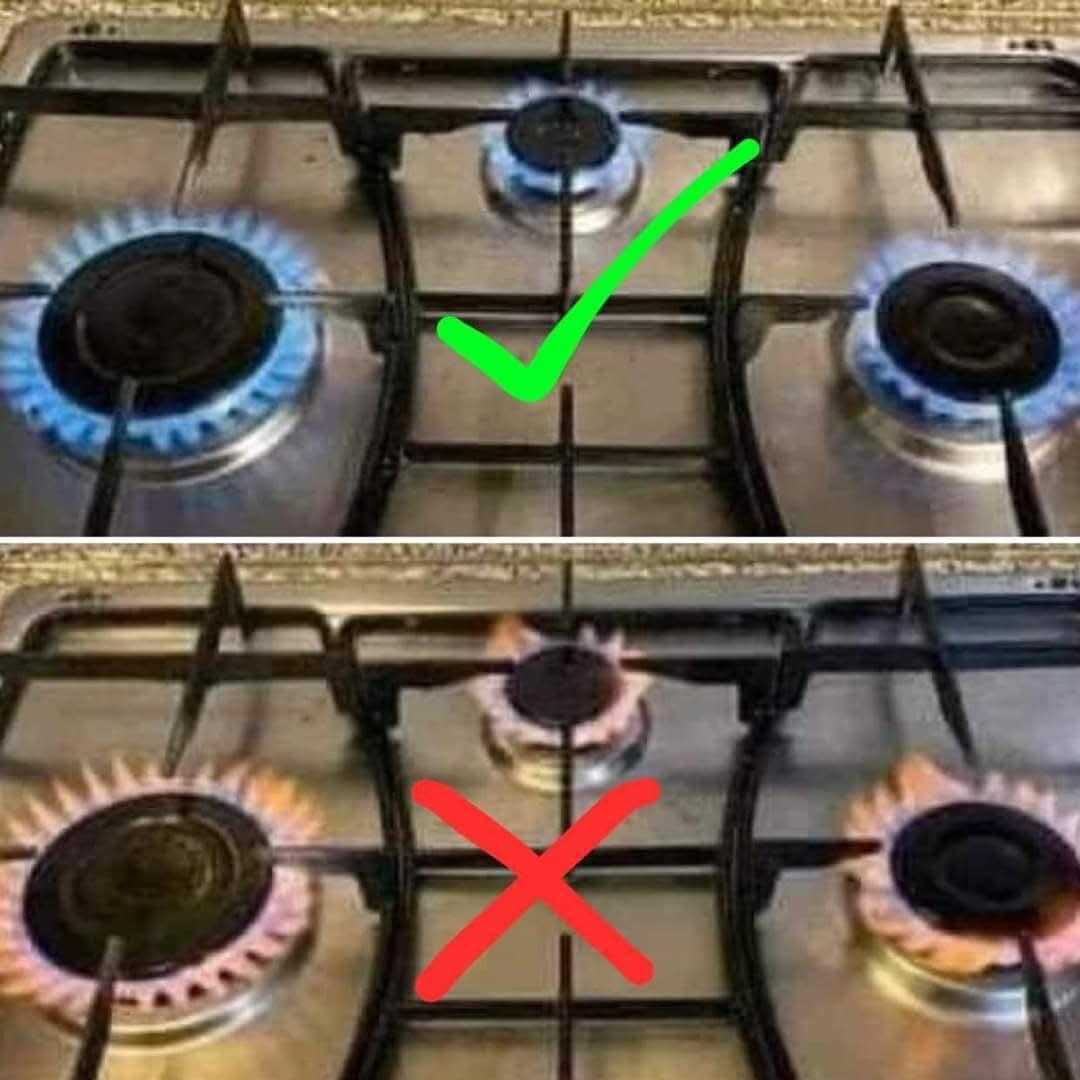
When you light your gas stove, the ideal flame color should be **blue**. A blue flame indicates that the gas is burning efficiently, with a proper balance of air and gas. This means the stove is functioning correctly, providing the right amount of heat for cooking, and producing minimal waste gases.
#### Why Blue Flames are Ideal:
1. **Efficient Combustion**: A blue flame signifies complete combustion, where the gas (typically natural gas or propane) is burning fully. This ensures that the stove is using the fuel efficiently, which can save you money on energy bills.
2. **Clean Cooking**: With a blue flame, less soot and carbon monoxide are produced, which means your pots and pans are less likely to get dirty, and the air in your kitchen remains cleaner.
3. **Even Heating**: A blue flame produces an even, controlled heat, making it ideal for cooking. It helps prevent burning food and ensures precise temperature control.
### **Yellow or Orange Flames: Warning Signs**
1. **Wasted Fuel**: A yellow or orange flame means your stove is burning fuel inefficiently. This could result in higher energy consumption and increased utility costs.
2. **Soot Buildup**: The incomplete combustion produces carbon particles, leading to soot buildup on your cookware, stove burners, and possibly the walls of your kitchen.
3. **Carbon Monoxide Production**: The burning of gas with insufficient oxygen creates carbon monoxide (CO), a colorless, odorless, and potentially deadly gas. High levels of CO in your home can be dangerous, so it’s crucial to address this issue immediately.
4. **Poor Cooking Performance**: Yellow or orange flames can indicate uneven heating, which can cause inconsistent cooking results. Your food might burn on the outside but remain undercooked inside.
—
### **Red or Flickering Flames: Major Concerns**
For Complete Cooking STEPS Please Head On Over To Next Page Or Open button (>) and don’t forget to SHARE with your Facebook friends
