ADVERTISEMENT
### Most People Get This Wrong and Toss Out the Can: The Right Way to Read ‘Best By’ or ‘Best Before’ Dates
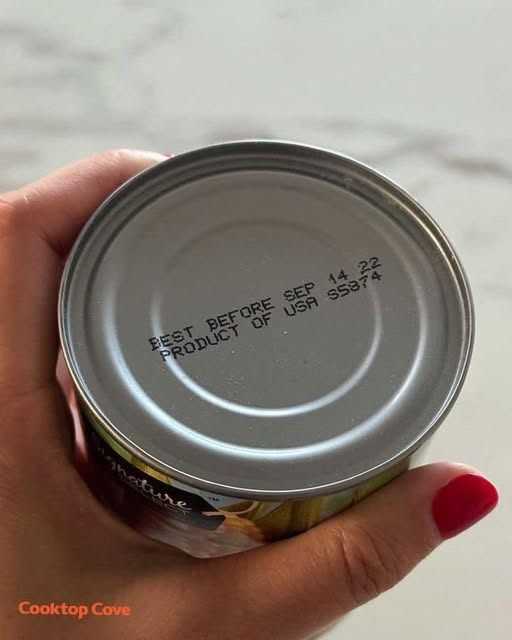
It turns out, most people misunderstand these dates and end up discarding perfectly good food. But with a little knowledge, you can make better decisions about when to use or dispose of food based on its date labels. In this article, we’ll break down the right way to read “Best By” and “Best Before” dates so you can save money, reduce food waste, and ensure you’re eating safely.
—
To begin with, it’s important to understand the difference between the terms “Best By” and “Best Before.” These dates are commonly used by manufacturers to indicate when the food is at its peak freshness, flavor, or quality, but they are not safety indicators.
– **Best By**: This date is typically found on products that are expected to retain optimal quality up until that point. It indicates the last date that the manufacturer guarantees the food will be at its best flavor and texture. However, it doesn’t mean the product is unsafe after this date.
### What Does It Really Mean?
Here are a few important points to keep in mind:
– **Dry Goods**: Items like pasta, rice, and cereal often stay safe for a long time after their “Best By” dates. They may lose their texture or flavor, but they’re typically still safe to eat if they’ve been stored properly.
– **Frozen Foods**: Freezing extends the shelf life of many foods far beyond their “Best Before” date. While frozen foods may not taste as fresh over time, they’re still safe to eat well after the date has passed, as long as they’ve been kept frozen.
