ADVERTISEMENT
**The Softest Dough for All Types of Pastries: The Secret to Perfect, Fluffy, Always-Rising Dough – Every Single Time!**
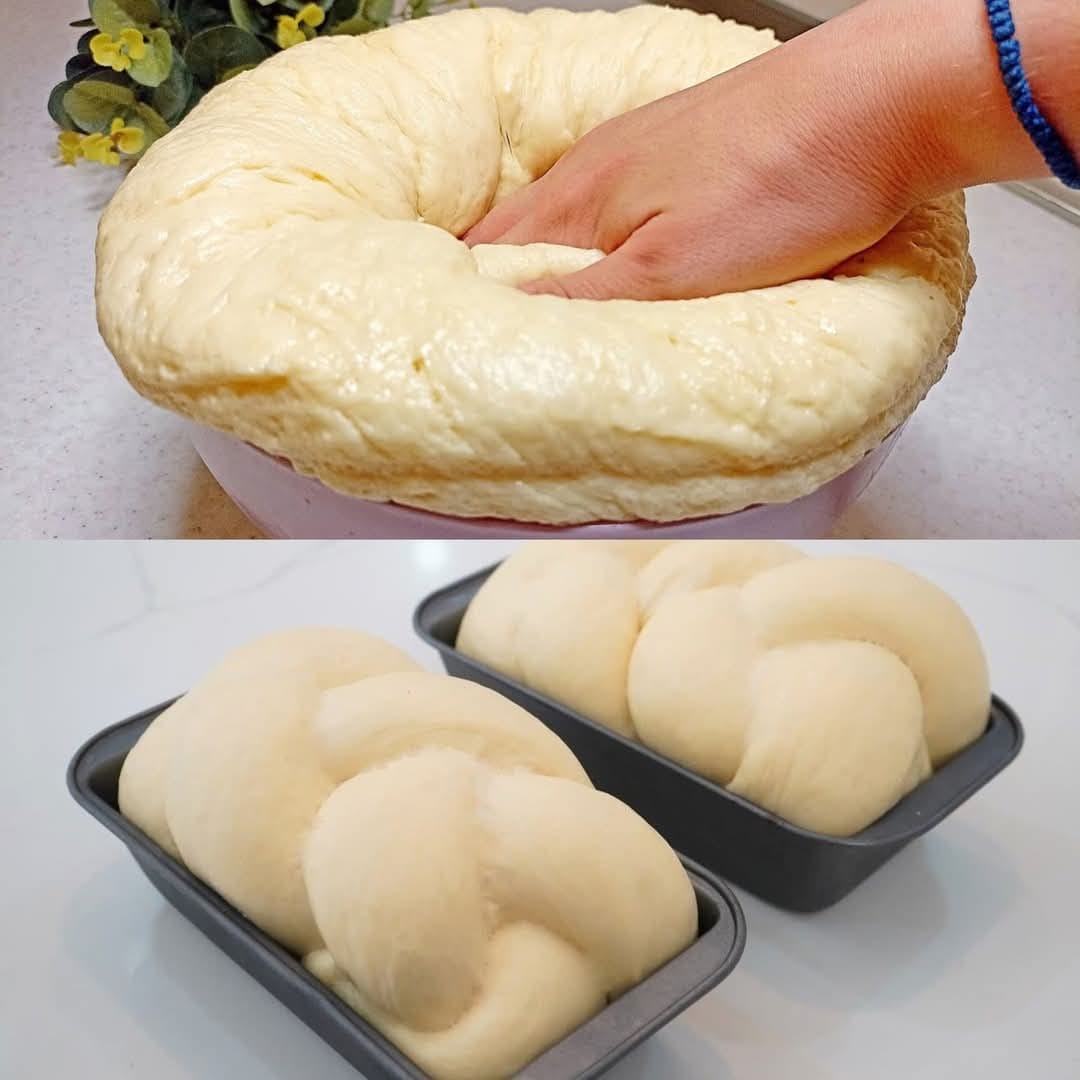
The secret to achieving dough that always rises beautifully, is always soft, and has that perfect texture lies in a few simple techniques and key ingredients. In this article, we’ll share the steps to make the **softest dough for all types of pastries**. You’ll never have to worry about tough, flat dough again, and you’ll enjoy the satisfaction of perfect, fluffy pastries every single time!
### Why Dough is So Important for Pastries
1. **Texture**: The texture of dough plays a major role in how your final pastry will turn out. Whether you’re making a flaky croissant or a soft, tender cinnamon roll, the texture of the dough will determine how your pastry rises and how light and fluffy it becomes.
2. **Flavor**: The right dough enhances the flavor of the filling or toppings. A rich, buttery dough can bring out the flavors in a fruit pie, while a soft, airy dough complements the sweetness of sticky buns or pastries.
### The Secret to Soft, Fluffy Dough
#### 1. **Use the Right Type of Flour**
Not all flours are created equal when it comes to pastry dough. **All-purpose flour** is the most commonly used flour for pastry dough and gives you a good balance of softness and structure. However, for even softer dough, you can mix in **cake flour**, which has a lower protein content and produces a more tender, delicate texture.
#### 3. **Use Cold Ingredients**
For certain pastries, such as croissants or flaky pie crusts, it’s essential to use **cold ingredients** (especially butter). Cold butter will create those signature layers and pockets of air that make your pastry light and flaky. Warm or melted butter, on the other hand, will soften the dough and affect the rise.
#### 4. **Proper Resting Time**
Dough needs time to relax. After mixing and kneading your dough, let it **rest in the fridge** for at least 30 minutes. This allows the gluten to relax, which will result in a much softer, more manageable dough. Additionally, resting helps the dough rise better and ensures the texture will be consistent.
#### 6. **Use Yeast Properly**
For doughs that need to rise (like yeasted doughs for cinnamon rolls, buns, and breads), yeast is your best friend. But, you have to handle yeast with care:
– **Activate the yeast**: If you’re using active dry yeast, dissolve it in **warm water (about 110°F or 43°C)** with a pinch of sugar to activate it before adding it to the flour mixture. This helps the yeast bloom and ensures a successful rise.
#### 7. **Add Fat for Softness**
A key ingredient for achieving soft dough is **fat**—whether it’s **butter**, **oil**, or **shortening**. Fat helps to coat the flour particles and **shortens gluten strands**, resulting in a more tender, flaky texture. For a richer dough, use **butter** or **cream**.
### The Perfect Soft Dough Recipe for All Types of Pastries
Now that you know the secrets, let’s put them into action with a simple yet versatile recipe for the **softest dough** that works for a variety of pastries, from **cinnamon rolls** to **croissants**.
Ingredients:
– **4 cups all-purpose flour**
– **1 packet active dry yeast** (about 2 ¼ teaspoons)
– **1 cup warm milk** (about 110°F or 43°C)
– **1/2 cup unsalted butter**, melted (plus extra for greasing)
– **1/4 cup sugar**
– **1 teaspoon salt**
– **1 large egg**
For Complete Cooking STEPS Please Head On Over To Next Page Or Open button (>) and don’t forget to SHARE with your Facebook friends
