ADVERTISEMENT
Certainly! Here’s a well-structured, informative article based on the topic:
12 Signs You May Have Prediabetes, How to Detect It, and How to Control It
Prediabetes is a serious health condition that affects millions of people worldwide — and many don’t even know they have it. Often called a “silent” condition, prediabetes means your blood sugar levels are higher than normal, but not high enough to be classified as type 2 diabetes.
The good news? Prediabetes is reversible — but only if you catch it early. That’s why recognizing the signs, getting tested, and making lifestyle changes are critical steps to prevent full-blown diabetes.
🚨 12 Signs You May Have Prediabetes
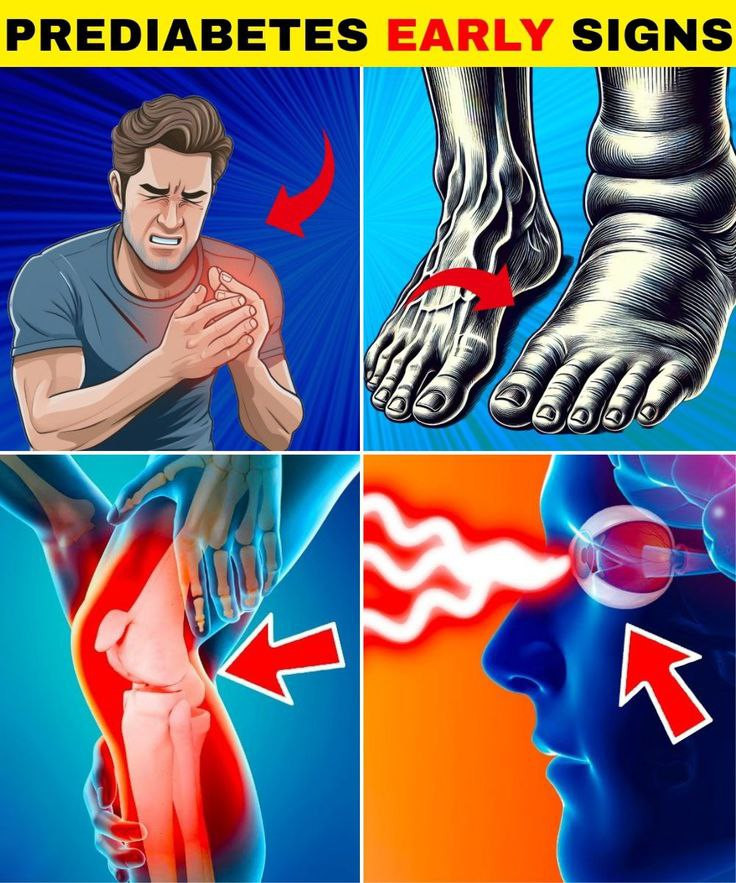
Many people with prediabetes have no symptoms at all. However, the following signs can be subtle red flags that your blood sugar may be creeping into the danger zone:
1. Increased Thirst
You constantly feel thirsty, even after drinking water. This is often due to your kidneys working harder to flush out excess sugar.
2. Frequent Urination
3. Fatigue or Low Energy
Feeling sluggish, tired, or lacking motivation could be your body’s response to insulin resistance, where glucose isn’t entering your cells efficiently.
4. Blurred Vision
5. Increased Hunger
Even after eating, you may still feel hungry. This can result from your cells not getting the glucose they need for energy.
6. Slow Healing of Cuts or Wounds
7. Dark Patches of Skin (Acanthosis Nigricans)
Look for dark, velvety areas on the neck, armpits, elbows, or knees — often a sign of insulin resistance.
8. Tingling or Numbness in Hands or Feet
High blood sugar can start to damage nerves, even in the early stages.
9. Unexplained Weight Gain
10. Irritability or Mood Swings
Blood sugar instability can impact mood, focus, and emotional regulation.
11. Frequent Infections
High sugar levels can weaken your immune system, making you more susceptible to infections (e.g., UTIs, skin infections).
12. No Symptoms at All
🩺 How to Detect Prediabetes
✅ 1. Get a Blood Test
Ask your doctor about:
- Fasting blood glucose test
- A1C test (measures average blood sugar over 2–3 months)
- Oral glucose tolerance test
✅ 2. Know Your Risk Factors
You’re more likely to develop prediabetes if you:
- Are over age 45
- Are overweight or obese
- Have a family history of diabetes
- Are physically inactive
- Have high blood pressure or cholesterol
- Had gestational diabetes during pregnancy
- Are part of certain ethnic groups (e.g., African American, Hispanic, Native American, Asian American)
🛡️ How to Control (and Even Reverse) Prediabetes
The most powerful way to stop prediabetes from pro
