ADVERTISEMENT
The mobilization of United States Marines to assist Immigration and Customs Enforcement (ICE) operations within the domestic interior represents a watershed moment in American civil-military relations, signaling a dramatic escalation in the federal approach to border security and internal enforcement. With an initial deployment of 200 Marines dispatched to Florida, and subsequent units slated for Louisiana and Texas, the administration has moved to integrate the logistical might of the armed forces into the administrative machinery of the Department of Homeland Security. This maneuver has landed in the middle of a national landscape already fractured by debates over the ethics of immigration, the limits of executive power, and the increasingly blurred line between national defense and domestic policing.
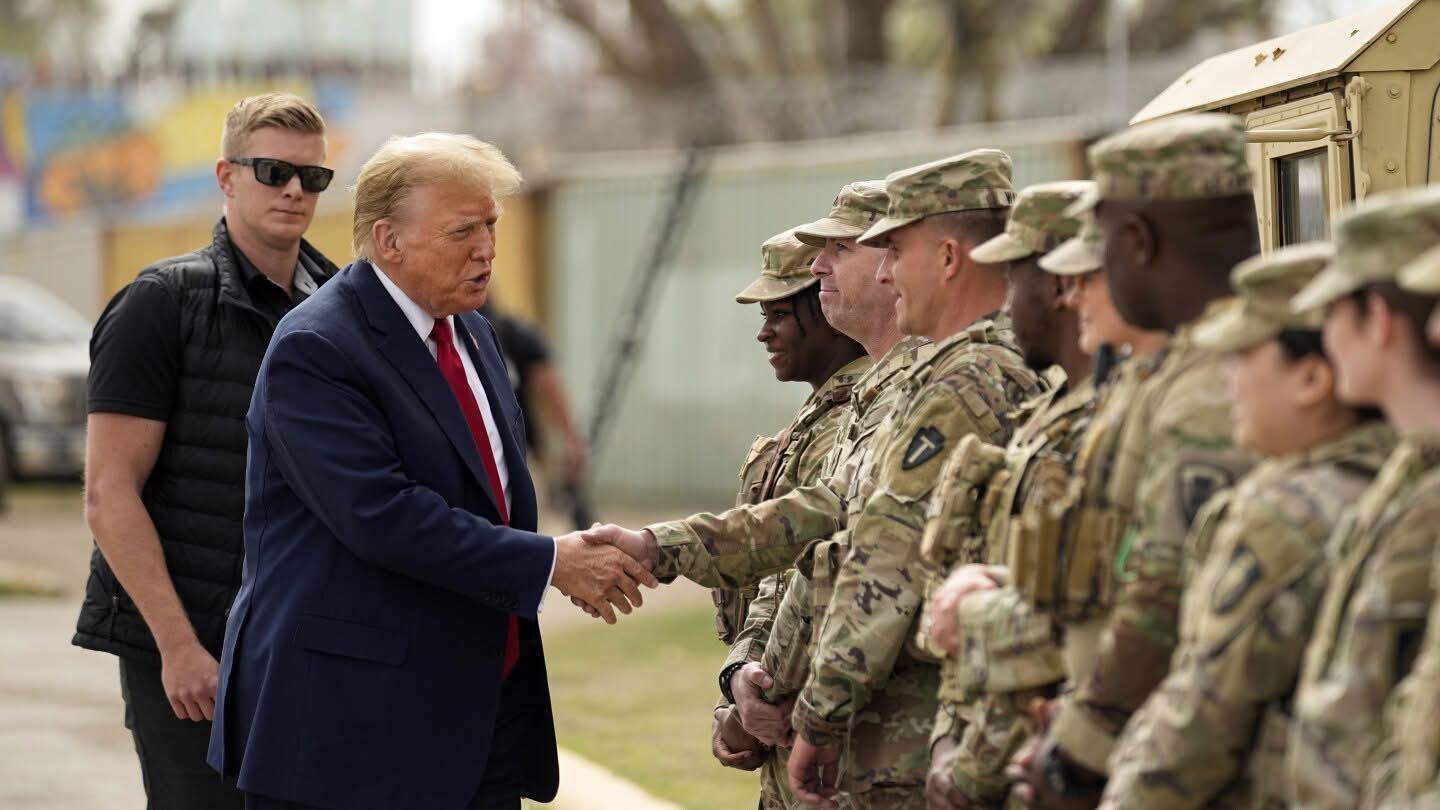
However, for a significant portion of the American public, these legal distinctions feel like “fine print” that does little to soften the visual and psychological impact of the deployment. The sight of camouflage uniforms and military-grade equipment moving through civilian detention centers has created an optics crisis that transcends administrative utility. For immigrant-rights organizations and civil liberties advocates, the presence of the Marines is not seen as a helping hand to an overworked agency, but as a deliberate instrument of intimidation. They argue that the very appearance of the military in a domestic context sends an unmistakable message to immigrant communities: that they are being viewed through the lens of a security threat rather than a humanitarian or administrative concern. This perception has turned the detention facilities in Florida and the Gulf Coast into flashpoints of protest, where the presence of the “few and the proud” is interpreted as the vanguard of a more militarized state.
Continue reading…
