ADVERTISEMENT
Tim Walz Takes ‘Full Accountability’ for Multi-Billion-Dollar Fraud Scandal — What It Means for Minnesota and Beyond
But accepting accountability is just one piece of a larger puzzle — one that stretches from state government operations in St. Paul to federal oversight committees in Washington, partisan political battles, and ongoing efforts to reform how government protects taxpayer dollars.
This blog post breaks down how the fraud scandal unfolded, why Walz’s response matters, and what the broader implications are for governance, public trust, and accountability in America.
The public’s attention first turned toward widespread fraud in Minnesota over the last several years as prosecutors uncovered abuse in programs designed to help vulnerable populations — including families needing childcare, individuals enrolled in Medicaid, and low-income residents accessing services such as housing stabilization and autism support.
Federal prosecutors revealed that 14 state programs, collectively worth an estimated $18 billion, were under investigation for possible fraudulent activity. Assistant U.S. Attorney Joe Thompson noted a “significant portion” of that money may have been fraudulently claimed.
While the exact amount of money lost to fraud is still being determined, estimates — and political debate — have ranged widely, reflecting the uncertainty and scale of the investigation.
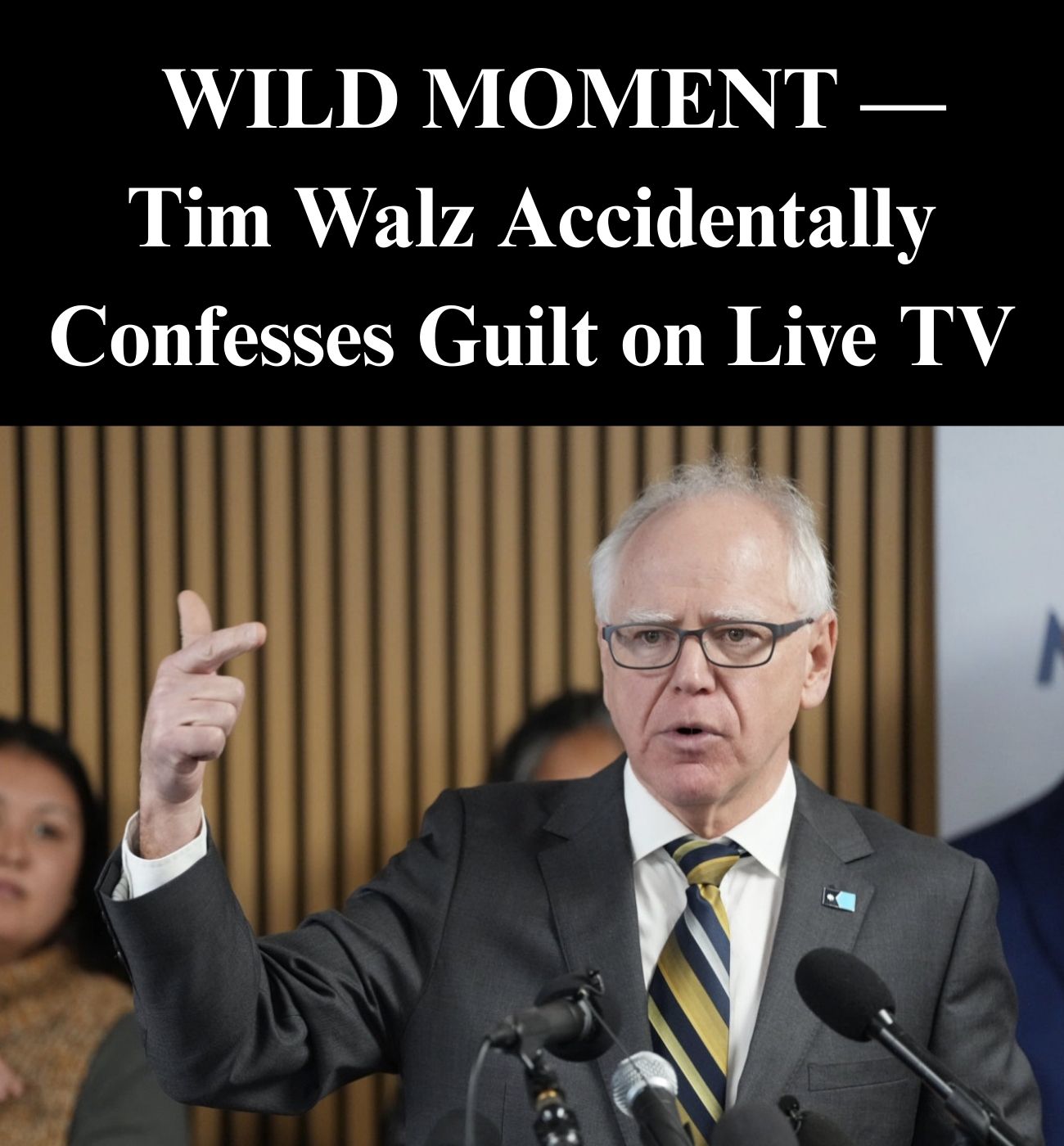
Amid mounting evidence, criticism, and federal charges against individuals tied to the scandal, Governor Tim Walz took to the podium to say he would bear responsibility and fix the problem.
“This [was] on my watch… I am accountable for this, and more importantly, I am the one that will fix it.”
Walz also questioned early estimates that the fraud reached $18 billion, explaining that the figure represented the total worth of the programs under investigation, not necessarily the exact amount lost to fraud. Nonetheless, the sheer size of the programs involved has made this one of the most consequential fraud scandals in modern state history.
Political and Public Reaction: Accountability or a Political Crisis?
