ADVERTISEMENT
# Traditional Greek Beef Stew with a Modern Twist
### **Traditional Greek Beef Stew: The Basics**
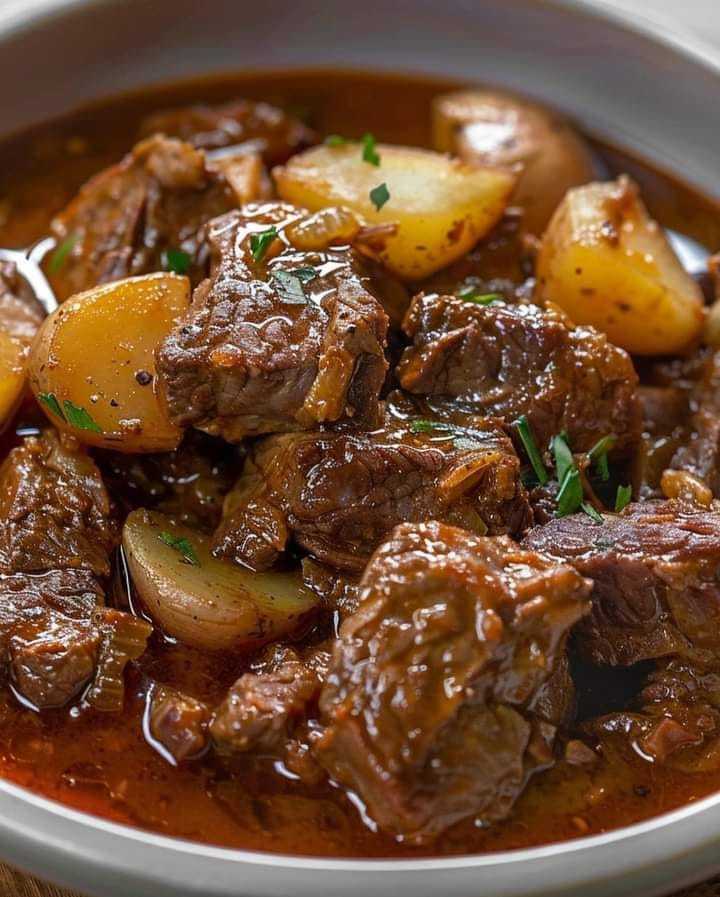
The foundation of Greek beef stew is simple but full of flavor. The traditional version features chunks of beef, slowly simmered in a rich tomato-based sauce with garlic, onions, olive oil, red wine, and a mix of fresh herbs like oregano and bay leaves. Sometimes, the dish also incorporates vegetables like carrots and potatoes, making it a one-pot meal that is both filling and satisfying.
### **The Modern Twist: Elevating the Classics**
While the traditional flavors of Greek beef stew are undeniably comforting, there are several ways to elevate and modernize the dish without losing its authentic roots. Here’s how we can bring a contemporary edge to this classic recipe:
In traditional recipes, regular cuts of beef such as chuck roast are often used, which are perfect for slow cooking. However, modern cooking trends emphasize the importance of using high-quality, sustainably sourced ingredients. For a modern twist, try using **grass-fed or pasture-raised beef**. These cuts are often leaner, more flavorful, and packed with nutrients. The natural flavors of the beef will add a depth of richness to the stew that elevates the dish while supporting sustainable farming practices.
Instead of simply adding carrots, potatoes, and other vegetables directly to the stew, give them a modern upgrade by **roasting them beforehand**. Roasting vegetables in olive oil with a sprinkle of sea salt and herbs caramelizes their natural sugars and brings out an intense, earthy flavor. This will add a wonderful depth of flavor to your stew and prevent the vegetables from becoming overly mushy in the pot.
Traditional Greek beef stew usually incorporates red wine to deglaze the pan and infuse the dish with acidity and richness. In this modern version, take the stew to the next level by incorporating both **red wine** and **beef stock**. The wine will provide complexity, while the stock brings a savory, umami-rich quality that deepens the stew’s flavor profile. If you’re feeling adventurous, try adding a splash of **balsamic vinegar** or a dash of **saffron** to bring even more nuanced flavors to the dish.
#### **4. The Umami Boost: Miso and Anchovies**
#### **5. Fresh Herbs and Citrus**
While dried oregano and bay leaves are the traditional herbs of choice in Greek beef stew, modern cooks are increasingly leaning on **fresh herbs** for an elevated, aromatic punch. Consider adding fresh thyme, rosemary, or parsley at the end of cooking to brighten up the dish. Another contemporary touch is the inclusion of **lemon zest** or a squeeze of **lemon juice** just before serving. The citrusy note will cut through the richness of the stew and provide a refreshing contrast to the slow-cooked beef.
To finish off this modern Greek beef stew, consider adding a dollop of **Greek yogurt** or crumbled **feta cheese** on top of each serving. The tanginess of the yogurt complements the savory stew, while the feta adds a salty, creamy richness. This modern twist transforms the stew from just a hearty meal to an elevated, restaurant-worthy experience.
**Ingredients:**
– 2 lbs grass-fed beef stew meat (chuck roast or brisket), cut into cubes
– 2 tablespoons olive oil
– 2 onions, chopped
– 4 cloves garlic, minced
– 1 cup red wine
– 2 cups beef stock
– 2 tablespoons tomato paste
– 2 cans (14 oz) crushed tomatoes
– 3 carrots, peeled and cut into chunks
– 2 medium potatoes, cut into chunks
– 2 tablespoons white miso paste (optional)
– 2 anchovy fillets (optional)
– 1 tablespoon fresh oregano, chopped
– 1 tablespoon fresh thyme, chopped
– 1 bay leaf
– Zest and juice of 1 lemon
– Salt and pepper to taste
– Fresh parsley for garnish
– Crumbled feta or Greek yogurt for serving
For Complete Cooking STEPS Please Head On Over To Next Page Or Open button (>) and don’t forget to SHARE with your Facebook friends
