ADVERTISEMENT
4. The Superglue Hack: When (And How) It’s Actually Safe to Use
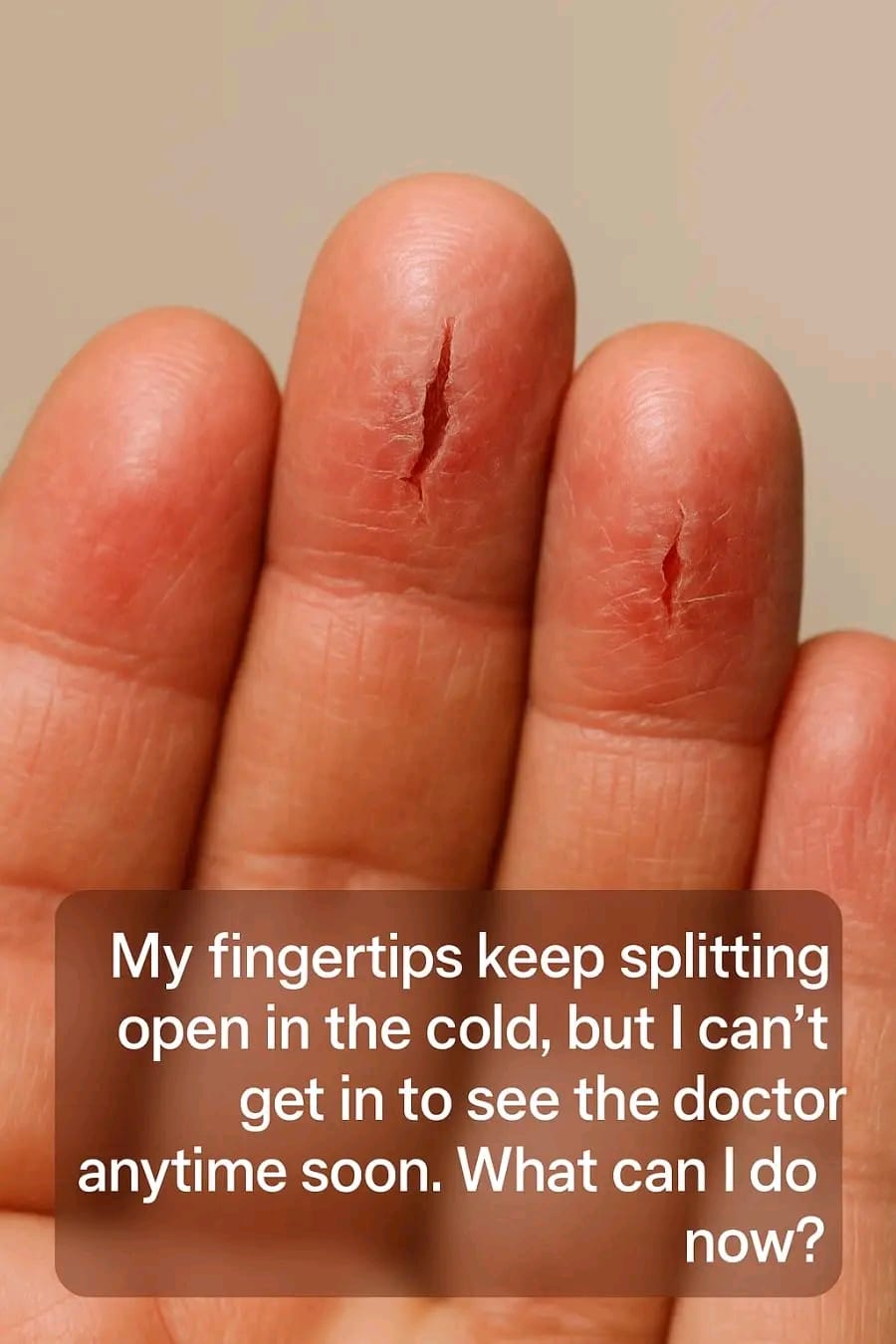
In some cases, applying a small amount of medical-grade superglue to the edges of the cracks can help hold the skin together and promote healing. This method should be used cautiously and only on clean, dry skin.
To use this hack safely, apply a tiny amount of superglue onto a toothpick and gently spread it along the edges of the crack. Hold the skin together for a few seconds until the glue dries. Avoid using this method on deep or infected cuts, as it can trap bacteria inside.
5. Bandage Like a Pro: Using Liquid Bandages, Tapes, and Dressings
Liquid bandages are an excellent option for sealing small cracks and preventing further irritation. They form a flexible, waterproof layer over the skin, allowing it to heal while shielding it from external irritants.
For larger cracks, consider using a soft adhesive bandage or medical tape. Ensure the bandage is snug but not too tight, as this can restrict circulation. Change the dressing regularly, especially if it becomes wet or soiled.
Discover more
garlic
Garlic
Frequent exposure to water, soap, and sanitizers can exacerbate the drying effects on your skin. To minimize this, opt for a gentle, moisturizing hand soap and try to limit the use of hand sanitizers to when soap and water are unavailable.
When washing your hands, use lukewarm water instead of hot, as hot water can strip the skin of its natural oils. After washing, apply a moisturizer immediately to replenish lost moisture.
9. Glove Strategy: What to Wear Indoors, Outdoors, and While Cleaning
Wearing gloves is crucial to protecting your hands from harsh elements and irritants. When outdoors in cold weather, wear insulated gloves to maintain warmth and prevent moisture loss. For indoor tasks that involve water, such as dishwashing, use rubber gloves to shield your skin.
If your hands tend to sweat inside gloves, opt for breathable materials or use glove liners to absorb moisture. This will prevent additional irritation caused by trapped sweat.
Continue reading…
